.svg)
Every April, Milan does something remarkable.
It stops being a city and becomes a statement.
Design Week is not just a trade fair. It is not just Salone del Mobile. It is an entire metropolitan transformation, where palaces open their doors, courtyards become galleries, and every brand worth its creative vision competes for attention in one of the most design-literate audiences on the planet. We were there, and here is what stayed with us.
Design With Feeling
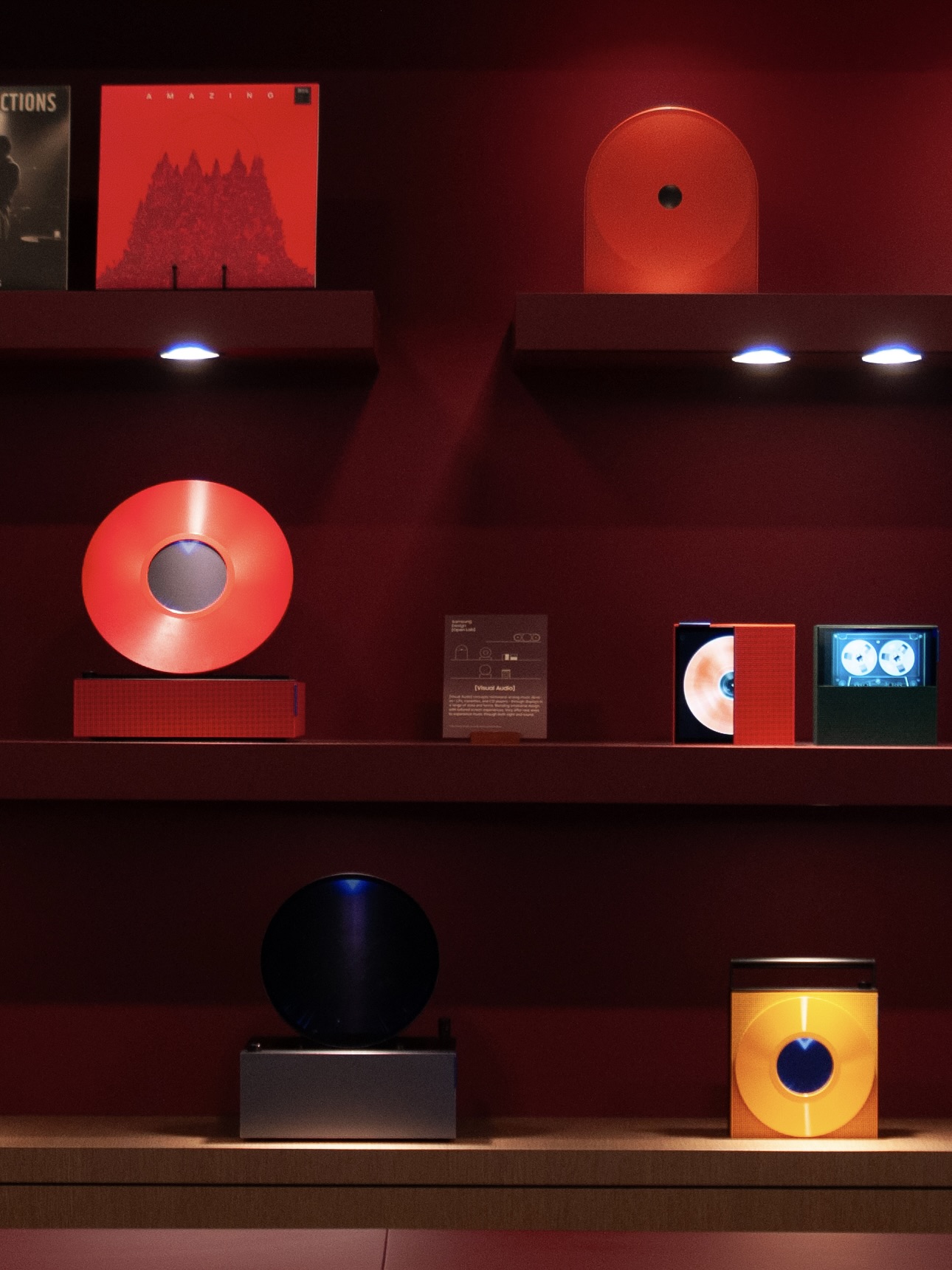
The most talked-about moment of the week came from Samsung Electronics. Under the creative direction of Chief Design Officer Mauro Porcini, their exhibition "Design as an act of love" reframed the conversation around consumer electronics entirely. Instead of specs and innovation theatre, Samsung asked a simpler, more powerful question: how can technology feel like it belongs in your home?
The answer was warm, considered, and refreshingly human. Objects designed not to impose but to integrate, not to impress but to connect. In a week full of spectacle, it was one of the quietest statements, and one of the loudest.
Process as Product
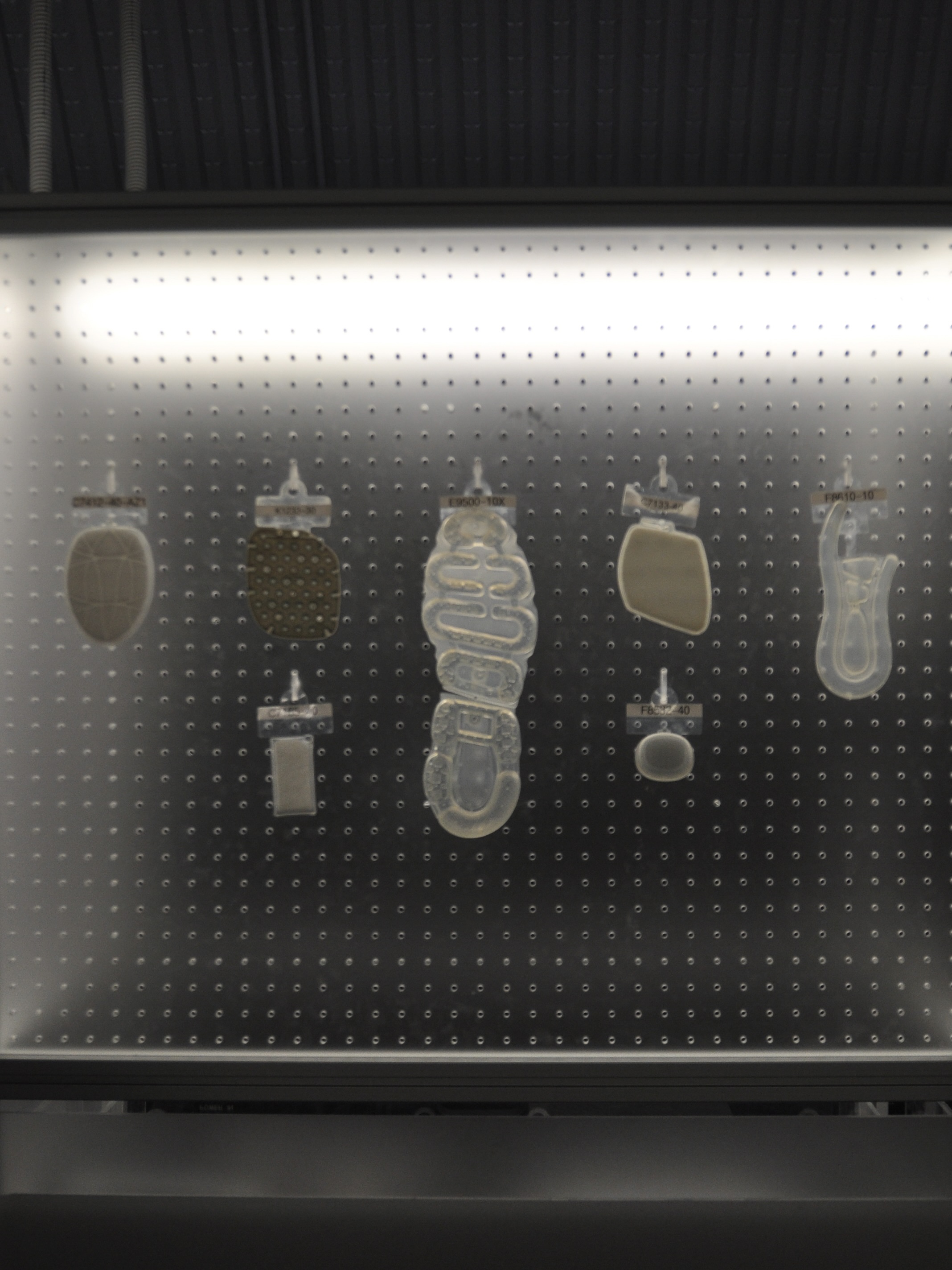
One of the most compelling threads running through this year's edition was transparency. Nike, Lexus and Kia Worldwide each chose to share not just their finished work, but their creative process, putting prototypes and developmental thinking on display for the public.
It is a confident move. Showing the unfinished, the experimental, the in-between requires a brand that trusts its own vision. And in a design context, it is often more compelling than the polished final product. Audiences do not just want to see where you landed. They want to understand how you got there.
Finding Calm in the Crowd
Milan Design Week is, by definition, overwhelming. Thousands of stands, hundreds of events, and a city that never quite sleeps during the week. Which is why the installations that offered stillness stood out all the more.
GROHE and Margraf Spa both created spaces that felt like a deliberate exhale. Their use of light and water was not decorative, it was architectural, creating environments where the noise of the week fell away and the design could speak at its own pace. In the context of everything else happening around them, that restraint was its own kind of boldness.
Standout Stands at Salone
Inside Salone del Mobile itself, a few stands demanded a second look.
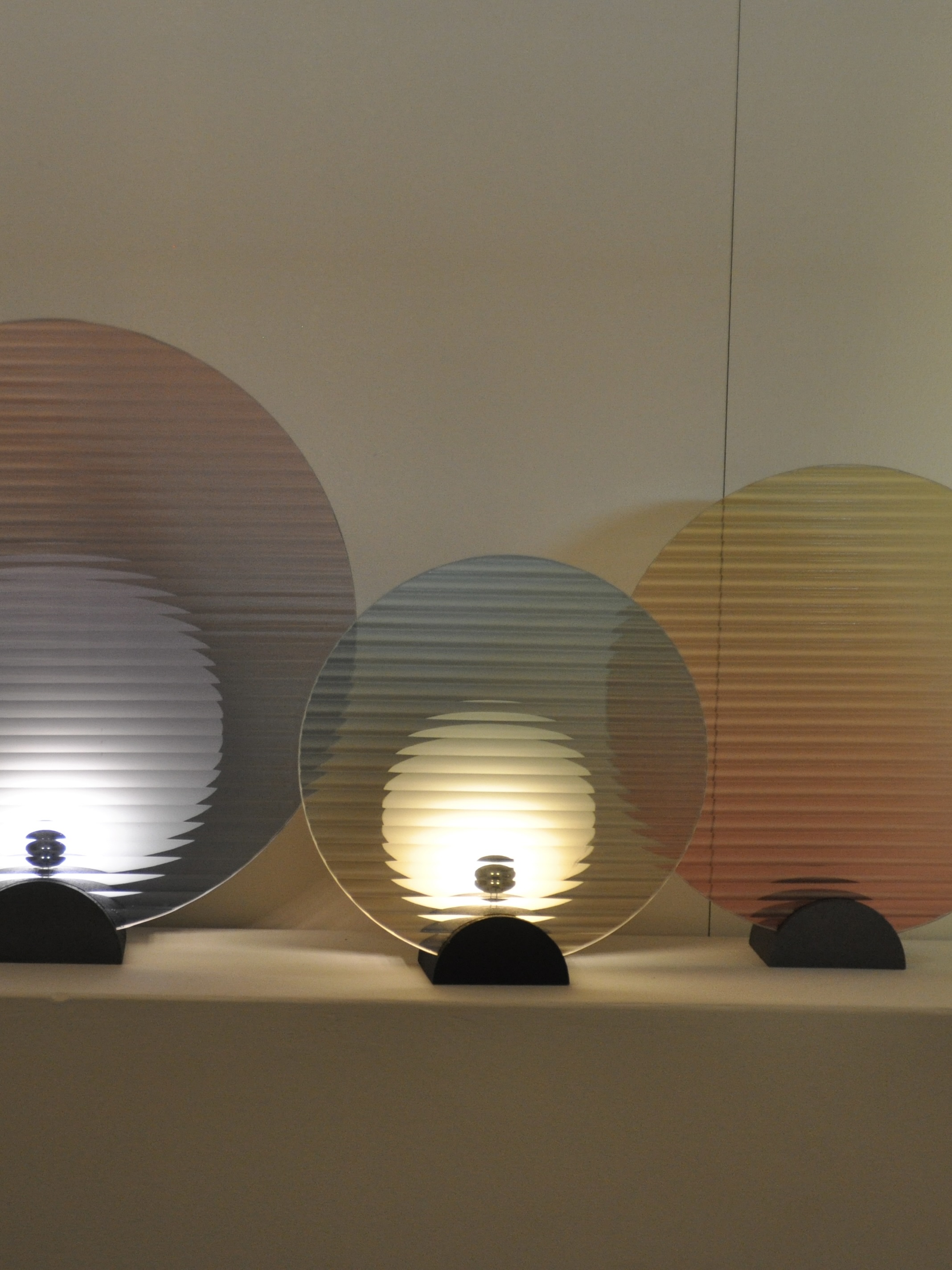
Dresswall stopped us in our tracks. Their large, uniform light panels, set against a space-themed backdrop, achieved something genuinely difficult: minimalist execution at scale. The technology behind achieving such consistency across such surfaces, without losing the clean aesthetic, was impressive. A thank you to Riccardo Mascheroni for walking us through the detail and the thinking behind it.
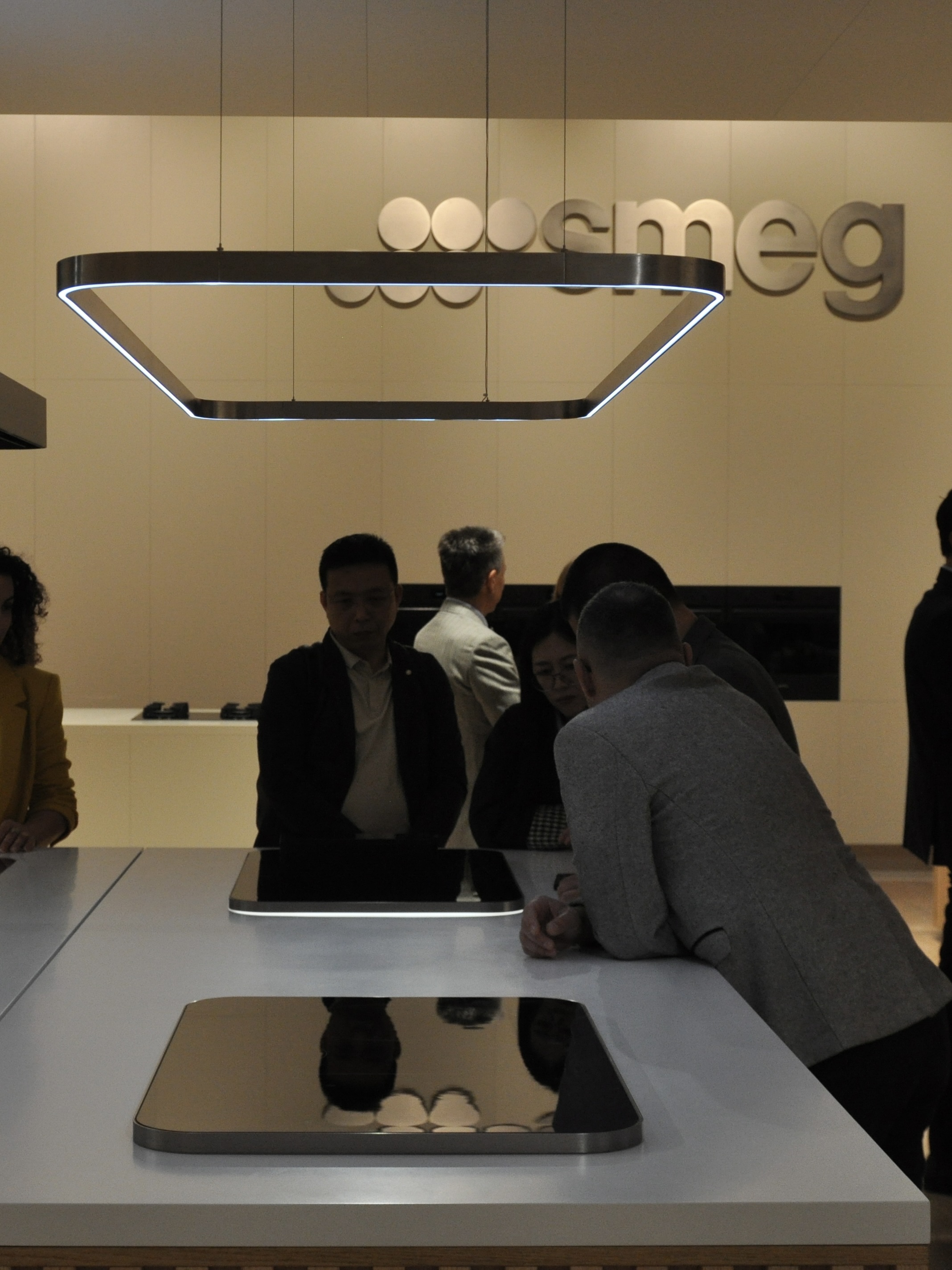
CIARKO, specialising in cooker hoods, challenged every assumption about what kitchen design can look like. Through an exploration of unexpected shapes, textures and patterns, they made the case, convincingly, that no category is too functional to be beautiful. Any object, given the right design intent, can stop you in your tracks.
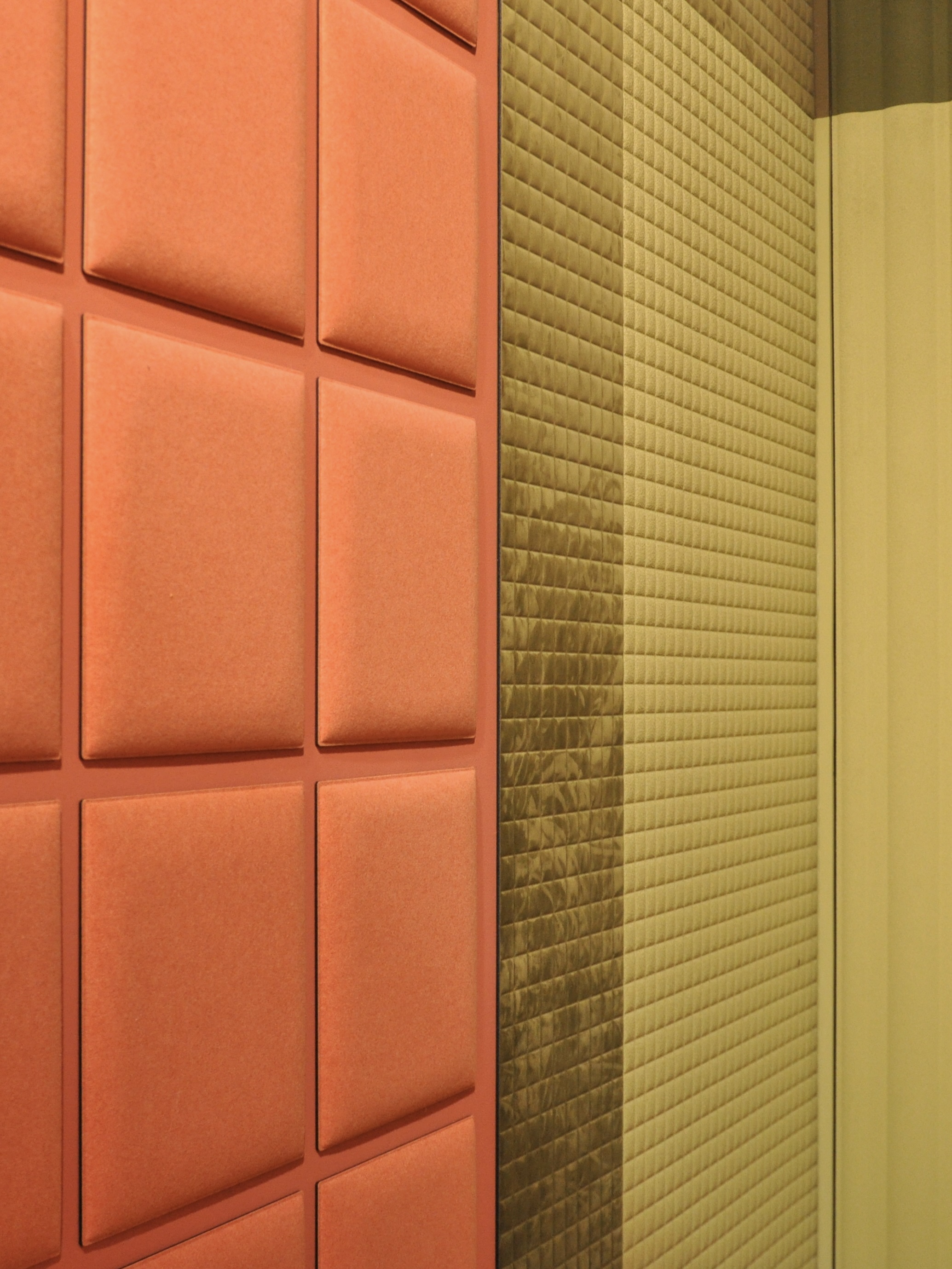
And Quadro delivered one of the most harmonious stand experiences of the week. Gradient light panels, wooden slats, a considered pop of orange. It should not work as well as it does, and yet it felt completely inevitable. Their booklets matched the stand, which is rarer than it sounds and a detail that did not go unnoticed.
The City Behind the Stands
For us, the most irreplaceable part of Design Week has always been what happens outside the exhibition halls.
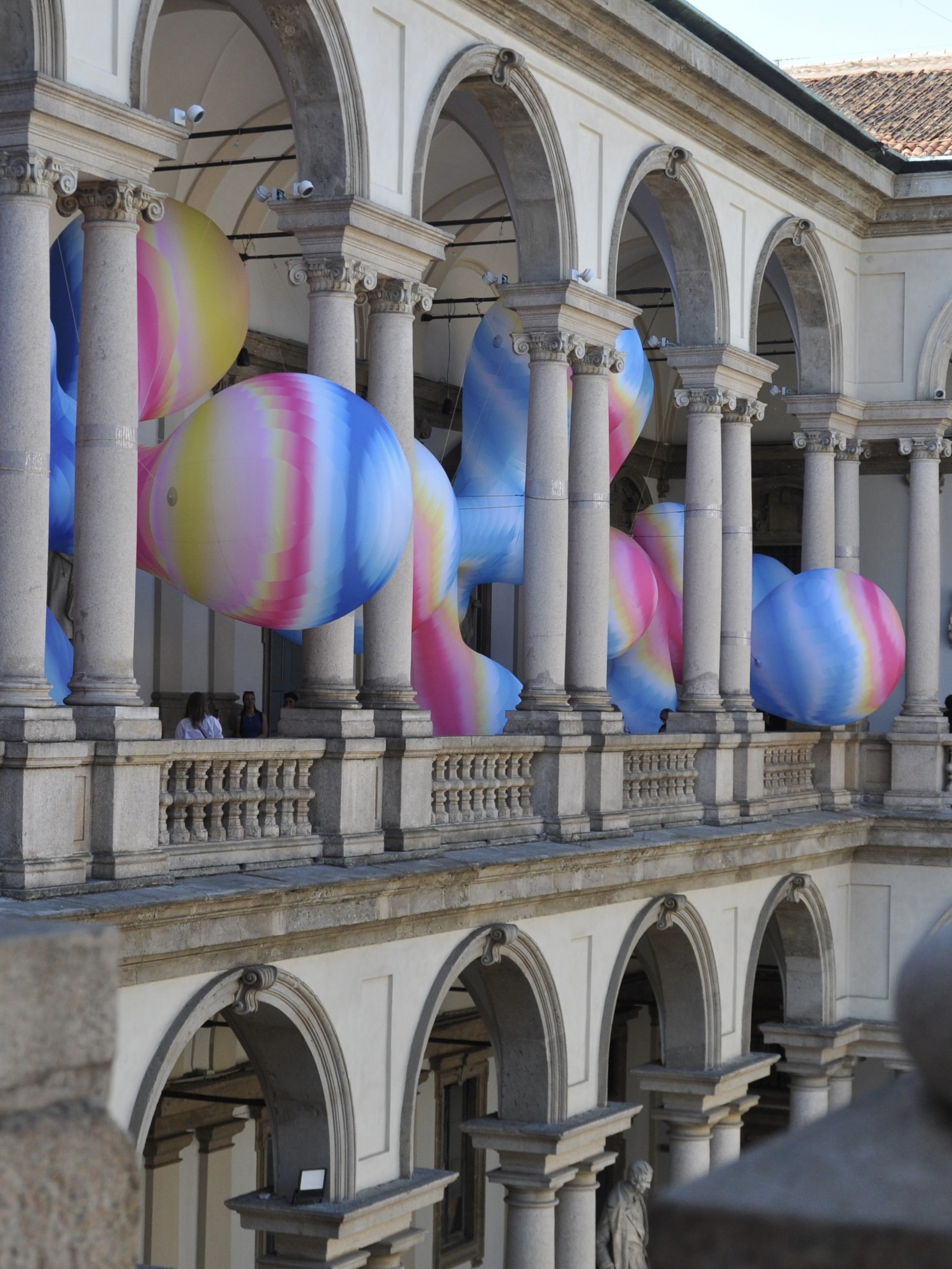
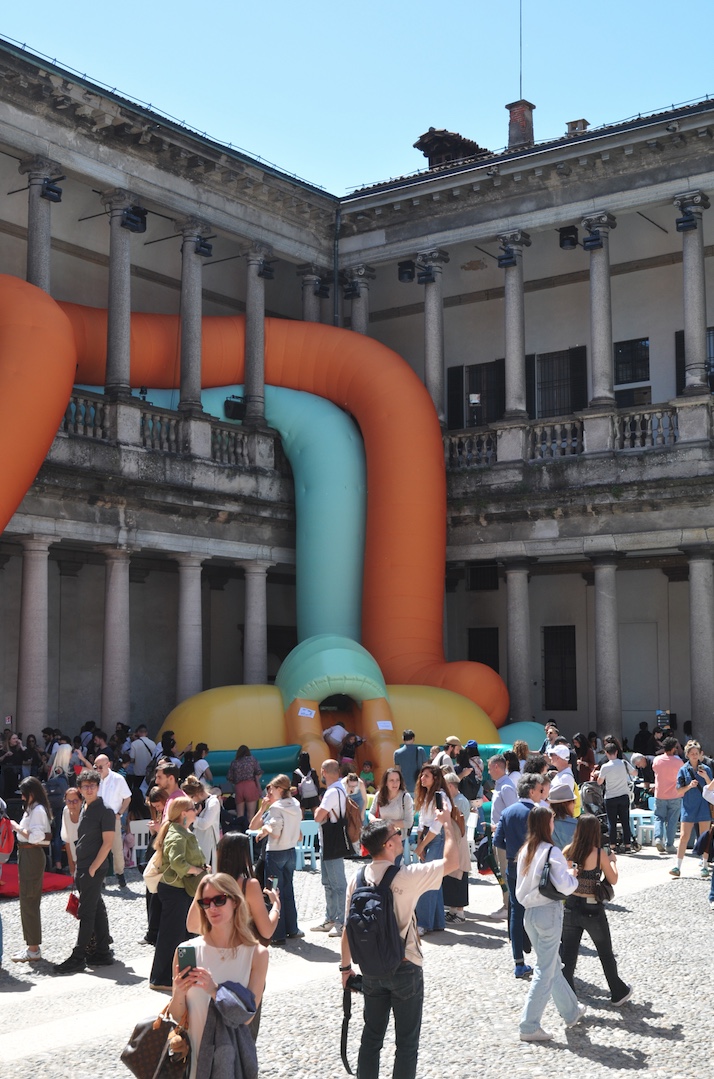
Palazzo Litta. Palazzo Citterio. These are not backdrops. They are the reason Milan can hold this conversation with such authority. Watching contemporary design unfold inside centuries-old architecture creates a tension that no purpose-built exhibition space can replicate. It asks the work to justify itself against a very long timeline, and the best of it does.
Why It Matters
Design Week keeps growing, and the talent it attracts keeps raising the bar. What makes it enduring is not just the products on display, but the shared belief that design is not a finishing touch. It is a way of thinking about people, about how they live, what they need, and how the objects and spaces around them can serve them better.
That belief was everywhere in Milan this year. In Samsung's empathy, in Nike's transparency, in the quiet confidence of a well-designed light panel or a perfectly weighted booklet.
A presto, Milano. Until next year.


Let’s grow together!
Have questions about your next growth move?
Mormedi has answers.